


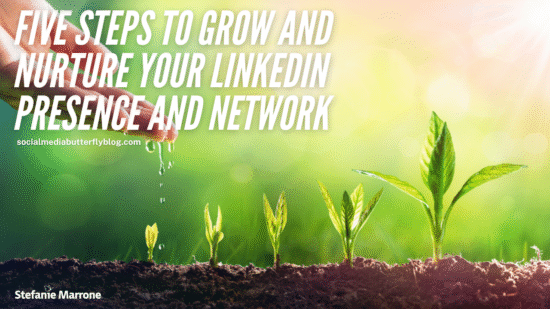
A lot of people approach LinkedIn the same way they approach buying a plant. They set it up, put it somewhere visible and hope it somehow grows on its own without much ongoing attention.
The problem is that neither plants nor LinkedIn really work that way.
You can’t just place a plant on a windowsill, ignore it for six months and expect it to somehow thrive on its own. Plants need attention. They need consistency. They need the right environment. Too little effort and they slowly fade away. Too much attention in the wrong areas can create problems too.
LinkedIn works very much the same way.
A lot of professionals create a profile, add a headshot, list their experience and assume the opportunities will somehow appear automatically. But LinkedIn requires ongoing participation if your goal is to build visibility, strengthen relationships, grow your network and create business opportunities over time.
And before anyone accuses me of suddenly becoming a gardening expert, let me be very clear: I absolutely do not have a green thumb. In fact, I probably have the opposite. I’ve managed to kill more plants than I would like to admit and if anyone has figured out how to actually keep an orchid alive long term, I’m open to suggestions because the whole ice cube method has never worked for me.
But even I understand the basic principle that growth requires ongoing care and attention. The same thing applies to LinkedIn.
Your network needs nurturing. Your visibility needs consistency. Your relationships need interaction. You cannot expect meaningful results if you never engage with people, share ideas, participate in conversations or give others a reason to remember what you do.
You also do not need to spend all day on LinkedIn or post constantly just for the sake of posting. Staying active enough that people continue associating you with your expertise, your industry and your professional reputation is usually what matters most. That can include:
- building relationships intentionally
- engaging with other people’s content
- sharing industry observations
- commenting thoughtfully
- posting updates periodically
- participating in groups or industry conversations
- using newsletters, speaking engagements and content strategically
- staying visible to clients, colleagues and referral sources over time
The professionals who usually get the most value from LinkedIn are the ones who treat it as an ongoing relationship-building tool instead of a static online resume.
You don’t plant seeds one day and expect a garden the next morning. Visibility, relationships and opportunities usually grow gradually through repeated interaction and consistent participation over time.
Here are five practical ways to help your LinkedIn presence and network grow more effectively.
1. Grow Your Network Intentionally
One of the most important parts of LinkedIn success is actively building your network instead of waiting for people to find you first. A lot of professionals create a profile and then passively wait for connection requests to arrive, but LinkedIn works much better when you approach networking more intentionally.
Send connection requests after conferences, networking events, meetings, speaking engagements, webinars, business calls and even meaningful online interactions. If someone’s relevant to your industry, professional goals or broader network, there’s usually value in staying connected.
You also never fully know where relationships may lead over time. Someone you meet today could eventually become a client, referral source, collaborator, employee, media contact or speaking opportunity years from now. LinkedIn is very much a long-term relationship-building platform and many opportunities develop gradually through visibility and repeated interaction over time.
The stronger and more strategic your network becomes, the more valuable LinkedIn becomes as a business development, branding and networking tool.
2. Keep Your Profile Updated and Aligned With Your Goals
Your LinkedIn profile should clearly communicate what you do, who you help and what you want to be known for professionally. One of the biggest mistakes professionals make is treating their profile like a static online resume that only gets updated when they change jobs.
Your profile should evolve alongside your career, reputation and goals. Make sure your headline, About section, experience descriptions and featured content reflect the industries, topics and work you most want to be associated with. This is especially important now because LinkedIn profiles increasingly influence both traditional search visibility and AI-driven search results.
You should also take advantage of LinkedIn’s features and tools, including:
- banner images
- custom profile URLs
- featured section
- newsletters
- speaking and media sections
- videos and visual content
Strategic keyword usage matters too. The language throughout your profile should naturally reinforce your expertise areas and help people understand your niche quickly when they land on your page. And one more thing: your profile should still sound like you. Profiles that feel overly corporate, stiff or overly polished often make it harder for people to connect with you authentically.
3. Stay Active Consistently
Consistency is one of the biggest factors in building visibility on LinkedIn. You don’t have to spend hours on the platform every day, but you do have to participate regularly enough that people continue seeing your name, your perspective and your expertise over time. Checking LinkedIn consistently helps you stay informed about:
- industry trends
- client and competitor activity
- job changes and promotions
- conference participation
- speaking engagements
- market news
- opportunities for engagement and outreach
It also enables you to maintain relationships much more naturally. Commenting on updates, congratulating people on milestones and participating in conversations helps you stay connected without every interaction feeling transactional.
Many professionals disappear from LinkedIn for months at a time and then suddenly reappear only when they need something. Usually the people who get the strongest long-term results are the ones who maintain a steady, ongoing presence over time.
4. Use LinkedIn as a Content Hub
LinkedIn is one of the most effective places to reinforce your expertise and stay visible within your industry. The strongest content strategies usually focus on a handful of consistent themes that align with your experience, interests and professional goals. Those themes become your content pillars.
Your content pillars might include:
- industry trends
- leadership
- workplace and career advice
- business development
- recruiting
- litigation
- healthcare
- AI and technology
- private equity
- career development
- personal branding
When you consistently create and share content around a few core themes, people begin associating you with those areas over time. That repeated association is what strengthens your reputation and visibility.
And content doesn’t have to mean posting every single day. In fact, forcing content too often usually hurts quality. A few thoughtful posts each week are far more effective than posting constantly without much substance behind it.
You should also think beyond original posts. Presentations, webinars, podcasts, meetings, client conversations, articles and industry news can all become valuable content sources. Some of the best LinkedIn content comes directly from everyday professional experiences and observations.
5. Support Other People’s Content and Conversations
One of the easiest and most effective ways to build relationships on LinkedIn is by thoughtfully engaging with and sharing other people’s content. This was something I started doing very early on and it played a major role in helping me grow my network, strengthen professional relationships and build visibility over time.
A lot of professionals underestimate how powerful this can be.
When you consistently support people in your network, contribute thoughtful comments and share useful ideas with your own perspective added in, people begin associating you with those conversations, industries and communities. It also creates goodwill and keeps you visible in a way that feels natural rather than overly self-promotional.
Some of the strongest LinkedIn relationships are built through consistent interaction over time. People remember who supported their work, contributed meaningfully to conversations and stayed engaged with the broader professional community around them.
You can’t just create a LinkedIn profile and call it a day anymore. And the importance of LinkedIn is that it has incredibly high-domain authority, meaning that whether you use it once a day, once a month or once a year, it still shows up as either your number one or number two Google search result. I hope this underscores the power of LinkedIn and why you need to care about it today.
LinkedIn is a platform that needs to constantly be nurtured, and it’s in your best interest to do so with more than a billion people around the globe using it for business networking. It’s also free so that makes it even more worthwhile.
So, remember, you don’t have to post on LinkedIn every day to be successful on the platform, but you do need to post content with intention and purpose on a regular basis, which could be two times a week or five times a week – it’s up to you. But at the heart of success on LinkedIn is really supporting people in your industry, building relationships and consistently cultivating your network, so never lose sight of that.
Plants wither up and die when you don’t tend to them, and your LinkedIn brand and network can as well if you don’t invest the time and energy into it. The plant analogy really works when you think about it.
I hope that you use these tips and also give me some tips for keeping plants alive. Here’s a YouTube video with more on how your LinkedIn network is like a nurturing a plant with some tips to grow your LinkedIn network and presence using my (fake) plant prop.
Stay in Touch! Connect with me on LinkedIn, Threads, YouTube, Instagram, sign up for my email list and follow my blog. Obtain a copy of my LinkedIn Secrets guide.